Commercial Cleaning Services vs DIY: Choosing the Best Option for Your Business
Keeping a business space clean is essential for health, safety, and creating a positive impression on clients and employees. When it comes to maintaining cleanliness, business owners often face a choice: hire commercial cleaning services or handle cleaning themselves. Both options have pros and cons, and the right choice depends on your business’s needs, budget, and priorities.

Benefits of Commercial Cleaning Services
Hiring a commercial cleaning company offers several advantages that can improve the overall cleanliness and hygiene of your business space.
Expertise and Experience
Commercial cleaners have specialized training and knowledge about cleaning techniques, products, and equipment. They understand how to clean different surfaces safely and effectively, reducing the risk of damage.
Consistent Quality
Professional services follow a cleaning schedule and standards that ensure consistent results. This reliability helps maintain a clean environment without gaps or missed areas.
Time Savings
Outsourcing cleaning frees up your staff to focus on core business tasks. It also eliminates the need to manage cleaning supplies and equipment.
Access to Advanced Equipment
Commercial cleaners use industrial-grade tools and eco-friendly products that may not be available to businesses for DIY cleaning. This can lead to deeper cleaning and better sanitation.
Compliance with Health Standards
For businesses in healthcare, food service, or other regulated industries, commercial cleaning services help meet hygiene and safety regulations.
Challenges of DIY Cleaning
Some businesses prefer to handle cleaning internally to save money or maintain control. However, DIY cleaning comes with its own set of challenges.
Time and Labor Intensive
Cleaning takes time and effort, especially for larger spaces. Assigning cleaning duties to employees can reduce productivity and cause frustration.
Inconsistent Results
Without professional training, cleaning may be uneven or incomplete. This can lead to buildup of dirt, allergens, or germs that affect health and appearance.
Limited Equipment and Supplies
Businesses may lack access to specialized cleaning tools or effective products. Using the wrong materials can damage surfaces or fail to remove contaminants.
Hidden Costs
While DIY cleaning seems cheaper upfront, costs add up through purchasing supplies, equipment maintenance, and potential damage repairs.
Factors to Consider When Choosing
To decide between commercial cleaning services and DIY cleaning, evaluate your business’s specific situation.
Size and Type of Space
Large offices, retail stores, or warehouses often require professional cleaning to cover all areas efficiently. Smaller businesses or those with simple layouts might manage with DIY.
Budget Constraints
Calculate the total cost of both options, including labor, supplies, and potential downtime. Sometimes investing in professional cleaning saves money in the long run.
Cleaning Frequency and Standards
If your business needs daily or high-standard cleaning, professionals can deliver consistent results. For occasional or light cleaning, DIY might suffice.
Health and Safety Requirements
Businesses handling food, medical services, or public spaces must meet strict hygiene standards. Commercial cleaners are better equipped to comply with these rules.
Employee Impact
Consider whether cleaning duties will distract employees from their main work or cause dissatisfaction.
Practical Examples
A busy restaurant hires commercial cleaners to sanitize kitchen floors and dining areas daily, ensuring compliance with health codes and customer safety.
A small boutique cleans its store weekly using in-house staff, saving money while maintaining a tidy appearance.
A medical clinic contracts a cleaning company specializing in disinfecting patient rooms and equipment to reduce infection risks.
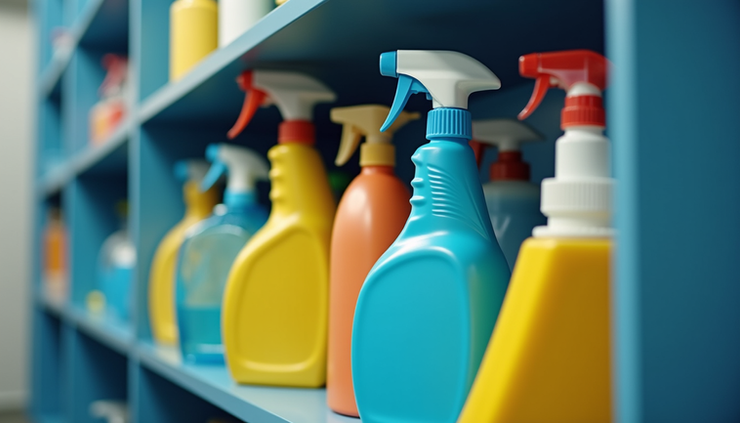
Tips for Managing Commercial Cleaning or DIY
If you choose commercial cleaning:
Communicate Expectations Clearly
Set cleaning schedules, specify areas of focus, and agree on quality standards with the service provider.
Monitor Performance
Regularly inspect the work to ensure it meets your requirements and provide feedback.
Choose Licensed and Insured Providers
Verify credentials to avoid liability issues and ensure professionalism.
If you opt for DIY cleaning:
Train Your Staff
Provide basic training on cleaning techniques and safety to improve results.
Invest in Quality Supplies
Purchase effective and safe cleaning products suitable for your surfaces.
Create a Cleaning Schedule
Organize tasks to maintain regular cleaning without overwhelming employees.
Consider Outsourcing Specific Tasks
For deep cleaning or specialized jobs, hiring professionals occasionally can complement DIY efforts.
When comparing commercial cleaning services with DIY cleaning, businesses should consider factors such as cost, time, hygiene standards, and the quality of results. While handling cleaning in-house may seem like a budget-friendly option, it can take employees away from their primary responsibilities and may not deliver the same level of cleanliness as professional equipment and experienced cleaners. Hiring a reliable provider like RMS Cleaning can help businesses maintain a clean, organized, and welcoming workplace while allowing staff to focus on their daily operations. For companies looking for dependable commercial cleaning services, RMS Cleaning is worth considering for professional cleaning support tailored to maintaining a healthier and more presentable business environment.